
Chania Villas
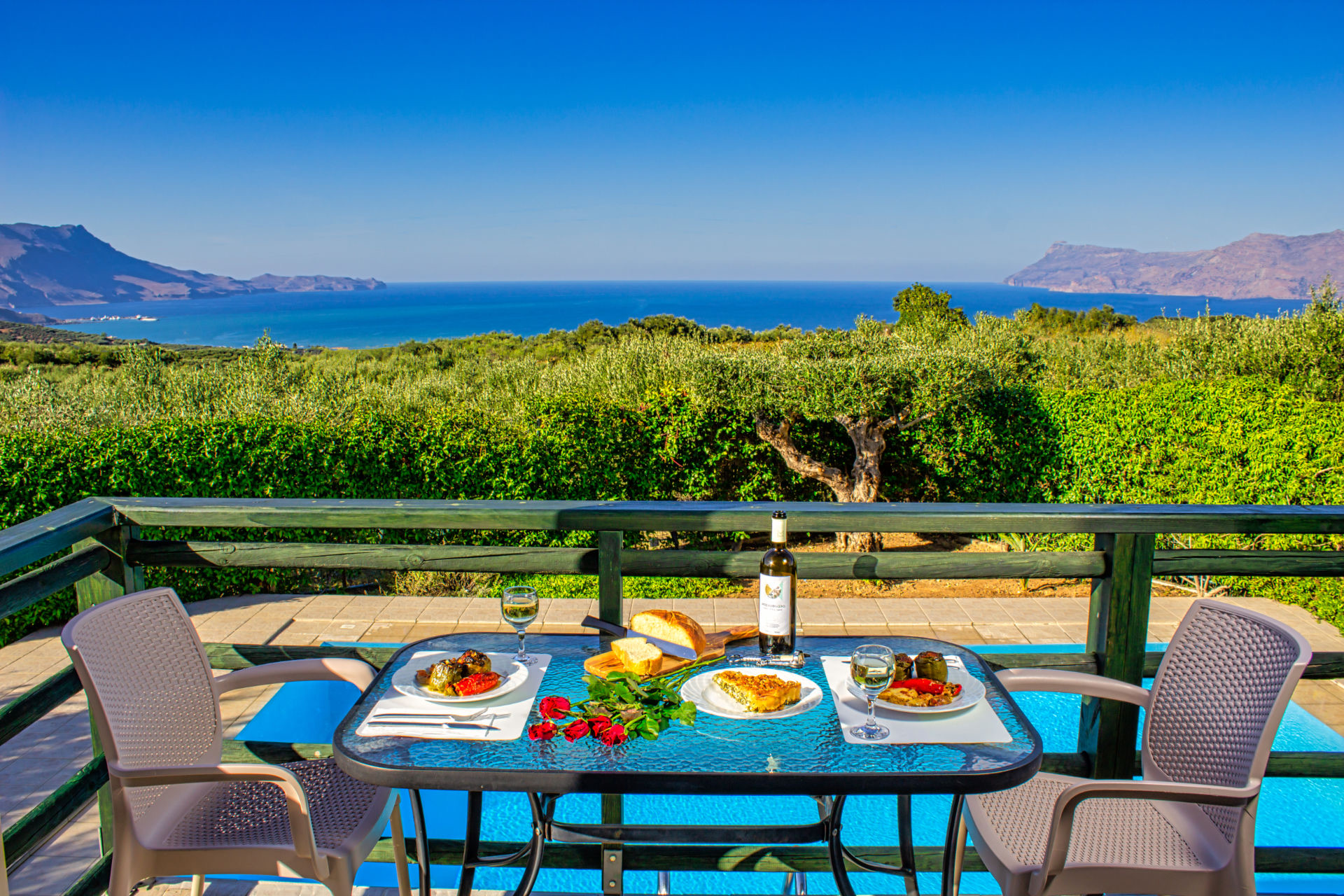
Welcome to Euphoria Path and Happy Flow, two charming traditional stone villas that offer the perfect escape from the hustle and bustle of everyday life. These villas are nestled on a hill in a small village, offering breathtaking views of golden olive groves and the stunning Kissamos Bay.
Constructed in harmony with Cretan architecture, each villa blends beautifully with the surrounding natural environment. Guests will immediately feel a sense of peace and tranquility as they immerse themselves in the lush countryside and serene sea views.
Inside, you’ll find an inviting open-plan living room with a cozy fireplace, TV, music system, dining table, and a fully equipped kitchen with all the necessary cooking utensils. With air conditioning in every room, you’ll stay comfortable all year round.
Each villa can accommodate up to five guests, with two air-conditioned bedrooms featuring comfortable double beds, and a double sofa bed to accommodate an extra guest. The villas also come with two bathrooms, one with a bathtub and the other with a shower, as well as a hairdryer and washing machine.
Outside, you’ll discover a beautiful courtyard with colorful flowers and various local trees, such as olive trees, mourning trees, and cypress trees. You can relax in the lovely swimming pool with sun loungers, have a barbecue, or enjoy an outdoor meal at the dining area. If you need to take a break from the sun, there’s also a shaded terrace to unwind.
Overall, Euphoria Path and Happy Flow offer the perfect combination of natural beauty and modern comforts, making them the ideal retreat for a relaxing vacation. Come and be a part of nature, relax, and recharge in the serene and peaceful atmosphere of our villas.
Villas
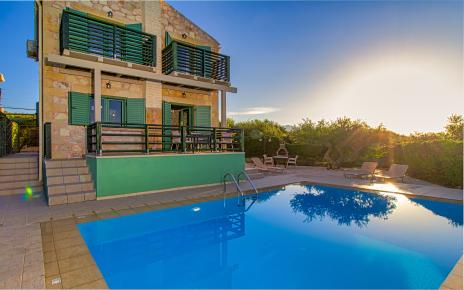
Villa Euphoria path
“Euphoria Path” Villa, a traditional villa with a private swimming pool, located up on a hill in a small traditional village, boasting marvelous views of golden olive yards and sea views of Kissamos bay. It’s …
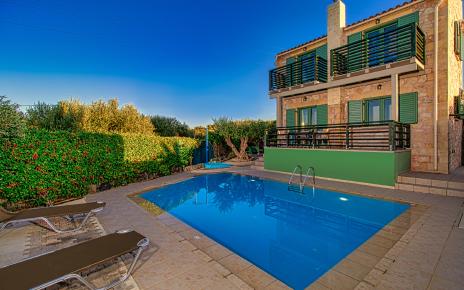
Villa Happy flow
“Happy flow” Villa, a traditional villa with a private swimming pool, located up on a hill in a small traditional village, boasting marvelous views of golden olive yards and sea views of Kissamos bay. It’s …
The Accommodation
All facilitiesWe are two people, Eli and Amy, originally from northern Greece who love nature, quality nutrition and philosophy. Fifteen years ago we made the decision to leave the city life and look for a place that would be suitable for us. We started the search traveling to the south, where we discovered the beautiful island of Crete. From the first years of our stay in magical Chania we realized how wonderful this place is!
Chania Villas Facilities
- Free WiFi
- Private Swimming pool
- Free Parking
- Fireplace
- Barbecue Facility
- Flat-screen TV
- Dining area
- Hand sanitiser
- Non-smoking rooms
Gallery
View all


